February Birth Flower: Violet
The February birth flower is the violet — a small but deeply symbolic bloom known for its association with loyalty, faithfulness, and humility. Despite its delicate appearance, the violet carries centuries of cultural meaning and has long been tied to devotion, sincerity, and emotional depth.
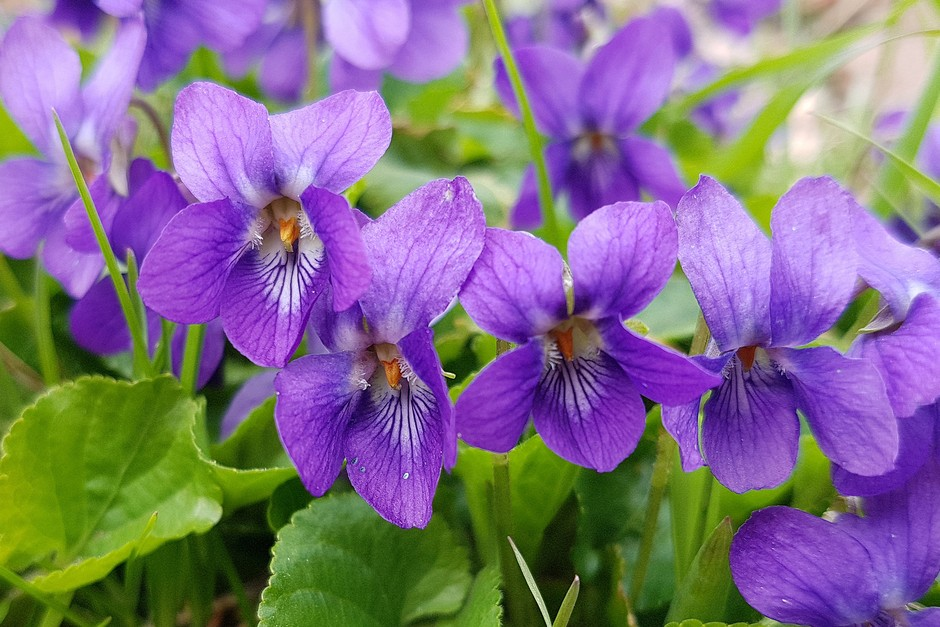
If you’ve ever asked what is February’s birth flower or wondered why violets are connected to February birthdays, this guide explores the flower’s symbolism, history, and why it remains the February flower of the month today.
Violets are one of the earliest flowers to bloom at the end of winter, often appearing while the ground is still cold. This early emergence made them a symbol of quiet strength and faithfulness.
Historically, violets were valued for their:
- Resilience in cooler temperatures
- Modest, understated beauty
- Strong fragrance despite their small size
Because February is a month associated with introspection and emotional connection, the violet’s symbolism aligns naturally with the season.
For a complete overview of birth flowers by month, you can explore our full guide to birth month flowers and their meanings.
February Birth Flower Meaning and Symbolism
The February birth flower meaning centers on loyalty, humility, and devotion. Unlike bold or dramatic flowers, violets symbolize love that is steady, sincere, and deeply rooted.
Core Meanings of the Violet
- Loyalty and faithfulness
- Modesty and humility
- Spiritual wisdom
- Quiet strength
In the Victorian era, when flowers were often used to communicate unspoken emotions, violets were commonly given as a sign of faithful love and trust.
The History of the February Flower of the Month

Violets have been referenced in ancient Greek and Roman texts for centuries. In Greek mythology, violets were associated with love and fertility, while Romans used them in celebrations and medicinal practices.
According to historical records, Dianthus and violet species were widely cultivated and valued for both symbolic and practical reasons. The violet’s longstanding cultural significance is one reason it became firmly associated with February.
You can learn more about the botanical history of violets through trusted historical references such as encyclopedic sources.
Violet Color Meanings
While purple violets are the most well-known, the flower appears in several shades, each carrying its own symbolic nuance.
- Purple violets represent loyalty, wisdom, and devotion
- Blue violets symbolize calmness and spiritual reflection
- White violets are associated with purity and innocence

These subtle variations allow the February birth month flower to feel deeply personal depending on color choice.
Inspired by the meaning of February’s birth flower? Discover our LEGO violets designed to capture the symbolism and beauty of the traditional February bloom.
Why Violets Represent February
February is often linked to reflection, emotional depth, and enduring relationships. Unlike flowers that bloom briefly in warm weather, violets appear quietly and reliably — even when conditions aren’t ideal.
Violets represent February because they:
- Bloom early despite cold conditions
- Symbolize loyalty during challenging times
- Reflect subtle beauty rather than bold display
These traits make the February birth flower especially meaningful for those who value sincerity, consistency, and emotional strength.
Violets in Modern Decor
Today, violets are appreciated not just for their symbolism, but also for their versatility in decor. Their compact shape makes them ideal for small displays, desks, shelves, and meaningful keepsakes.
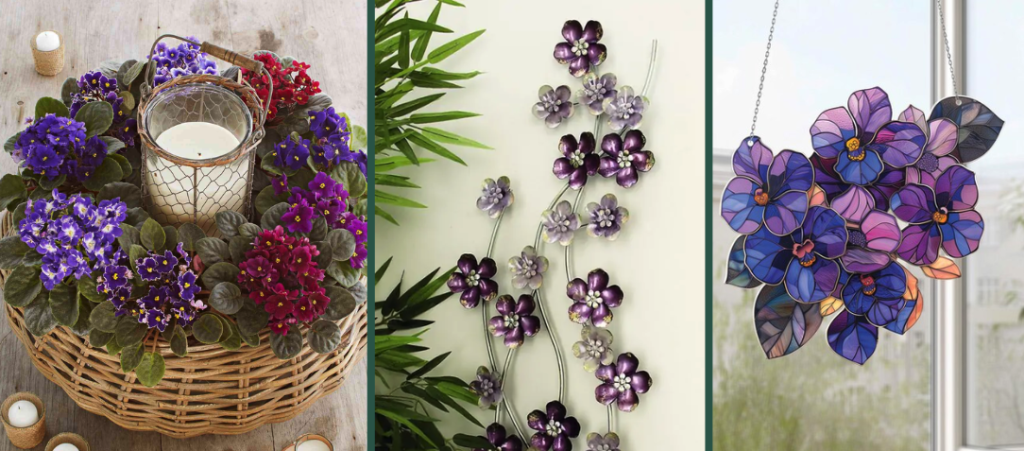
Modern floral design often focuses on long-lasting flower alternatives that preserve symbolism without maintenance. Violets work especially well in decorative formats that highlight their form and meaning rather than fleeting freshness.
This makes them a popular choice for:
- Everlasting floral decor
- Personalized flower gifts
- Decorative flowers that never wilt
Reimagining violets in LEGO Form
The violet’s clustered petals and deep color tones translate beautifully into LEGO form. Each small bloom can be built with layered detail, creating a structured yet soft-looking floral design.
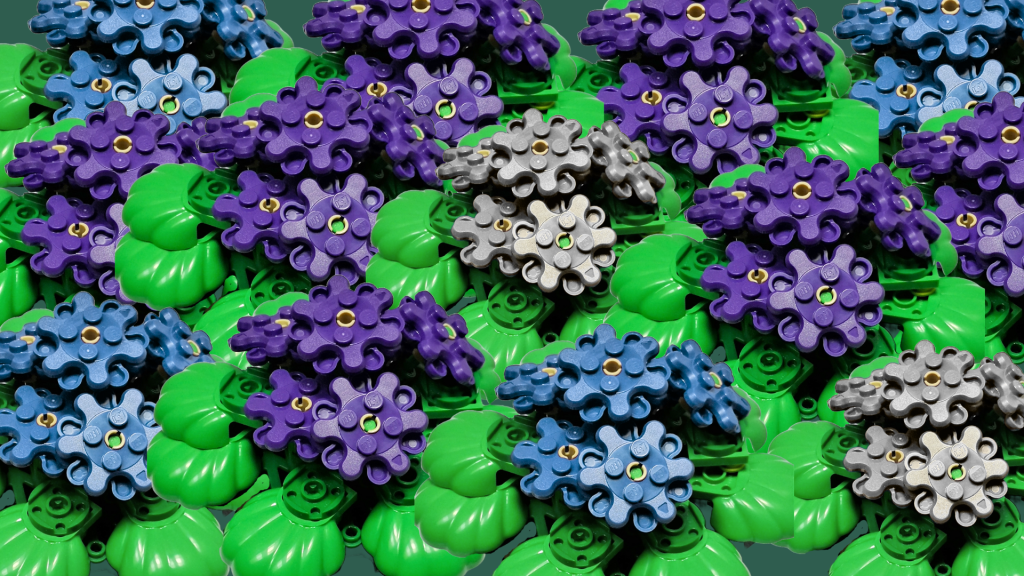
A LEGO violet offers:
- A lasting interpretation of the February birth flower
- A symbolic display piece with emotional meaning
- A low-maintenance floral arrangement
Unlike traditional flowers, this interpretation allows the symbolism of the February flower of the month to be enjoyed year-round.
Combining February Birth Flowers with Other Months
Many people choose to pair the violet with other blooms to represent shared milestones, relationships, or family members.
Common combinations include:
- Partner birth flowers
- Parent and child birth months
- Anniversary or milestone dates
When thoughtfully designed, creating a custom flower bouquet allows multiple stories to be represented in a single arrangement.
Frequently Asked Questions About the February Birth Flower
What is the February birth flower?
The February birth flower is the violet.
Does February have more than one birth flower?
In some traditions, primrose is also associated with February, but the violet is the most widely recognized.
What does the February birth flower symbolize?
Violets symbolize loyalty, faithfulness, humility, and quiet strength.
Are violets traditional birthday gifts?
Yes. Birth flowers have long been considered a thoughtful birthday gift with personal meaning.
Final Thoughts
The February birth flower, the violet, represents devotion, sincerity, and resilience. Though modest in appearance, its symbolism runs deep, making it a meaningful way to celebrate February birthdays and personal milestones.
Whether displayed traditionally or reimagined through modern design, the violet continues to serve as a powerful symbol of loyalty and enduring connection — qualities that never go out of season.
Whether you’re honoring a February birthday or choosing a thoughtful gift, explore the Birth Month Flower Collection and shop LEGO violets made to last.